
This guide contains affiliate links. If you buy through a link, we may earn a small commission at no extra cost to you. Learn more in our affiliate disclosure.
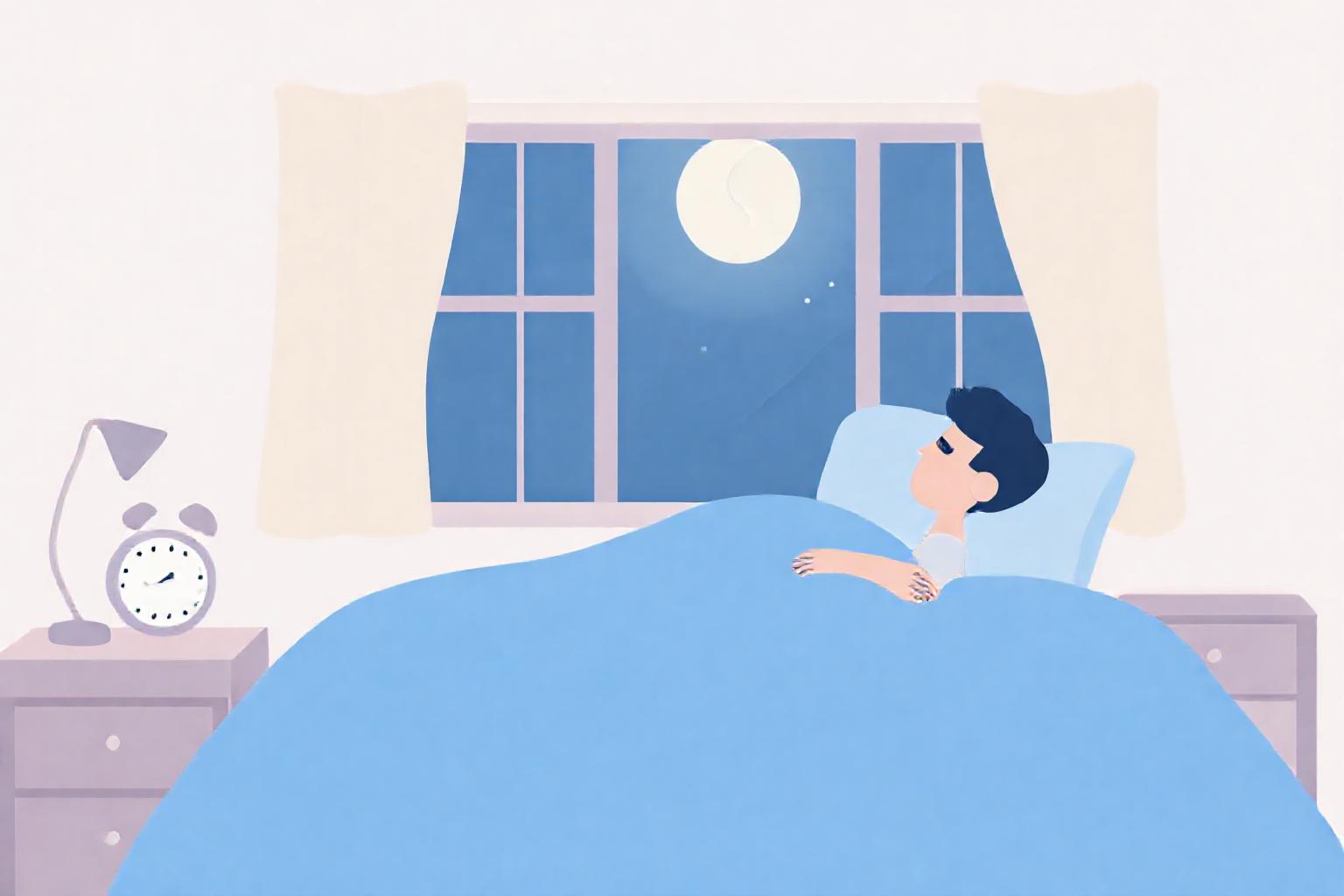
Insomnia: An Evidence-Based UK Guide
Wed Aug 19 2026 · insomnia, nhs-guide, uk-sleep
Insomnia: An Evidence-Based UK Guide
Insomnia means you regularly have problems sleeping. The good news is that, for most people, it gets better by changing sleeping habits. This guide explains the symptoms, causes, and what the NHS recommends — from things you can do yourself to when you should see a GP.
This content reflects the NHS guidance on insomnia (page last reviewed March 2024). It is general information, not medical advice.
What counts as insomnia
According to the NHS, you have insomnia if you regularly:
- find it hard to go to sleep
- wake up several times during the night
- lie awake at night
- wake up early and cannot get back to sleep
- still feel tired after waking up
- find it hard to nap during the day even though you’re tired
- feel tired and irritable during the day
- find it difficult to concentrate during the day because you’re tired
Short-term insomnia lasts less than 3 months. Long-term insomnia lasts 3 months or longer.
How much sleep do you need?
Everyone needs a different amount. On average, the NHS notes:
- Adults need 7 to 9 hours
- Children need 9 to 13 hours
- Toddlers and babies need 12 to 17 hours
You probably aren’t getting enough sleep if you’re constantly tired during the day.
Common causes
The most common causes of insomnia include:
- Stress, anxiety or depression
- Noise
- A room that’s too hot or too cold
- An uncomfortable bed
- Alcohol, caffeine or nicotine
- Jet lag
- Shift work
What you can do yourself (NHS “Do” list)
- Only go to bed when you’re sleepy
- Wake up and get out of bed at the same time every day
- Relax at least 1 hour before bed — for example, take a bath or read a book
- Make your bedroom dark and quiet — use curtains, blinds, an eye mask or ear plugs if needed
- Exercise regularly during the day
- Make sure your mattress, pillows and covers are comfortable
What to avoid (NHS “Don’t” list)
- Don’t smoke, or drink alcohol, tea or coffee at least 6 hours before bed
- Don’t eat a big meal late at night
- Don’t exercise at least 4 hours before bed
- Don’t watch TV or use devices like smartphones right before bed — the blue light makes you more awake
- Don’t nap during the day
- Don’t drive when you feel sleepy
- Don’t sleep in after a bad night’s sleep — stick to your regular hours
What about pharmacy “sleeping aids”?
You can buy tablets or liquids (sleeping aids) from a pharmacy. Some contain natural ingredients like valerian or lavender, others contain an antihistamine. The NHS advises:
- They cannot cure insomnia but may help you sleep better for 1–2 weeks
- They should not be taken any longer than that
- They can have side effects (e.g. drowsiness) that can make driving or other tasks difficult
- Check with your doctor before taking anything for sleep problems
When to see a GP
See a GP if:
- Changing your sleeping habits hasn’t helped
- You’ve had trouble sleeping for months
- Your insomnia is affecting your daily life in a way that makes it hard to cope
How a GP can help
A GP will try to find out what’s causing your insomnia. Treatments can include:
- Cognitive behavioural therapy (CBT) — face-to-face with a therapist or via an online self-help programme. This helps you change the thoughts and behaviours that keep you from sleeping.
- A referral to a sleep clinic if you have symptoms of another sleep disorder, such as sleep apnoea.
The NHS notes that GPs now rarely prescribe sleeping pills to treat insomnia, because they can have serious side effects and you can become dependent on them. Sleeping pills are only prescribed for a few days, or weeks at the most, if your insomnia is very bad and other treatments haven’t worked.
A structured sleep-support audio programme to help you wind down and sleep more soundly.
View it →Your action plan
- This week: try the NHS “Do/Don’t” habits — fixed wake time, dark quiet room, no caffeine within 6 hours of bed, no screens before bed.
- If it persists: don’t rely on pharmacy aids for more than 1–2 weeks, and don’t drive if drowsy.
- If it’s affecting daily life: see a GP — CBT is the evidence-backed treatment, not sleeping pills.
Source
- NHS — Insomnia (page last reviewed 19 March 2024): https://www.nhs.uk/conditions/insomnia/
This article is for general information and is not a substitute for professional medical advice.