
napping
Are Naps Good or Bad for You? How Long and When to Nap
The science of napping: how long a nap should be, the best time of day, benefits and downsides, and when naps can interfere with night-time sleep.
Read the guide →
Honest, evidence-based guides to falling asleep faster, sleeping deeper and stopping snoring. No hype, no miracle cures — just clear, practical advice you can trust.
Browse the guidesnapping
The science of napping: how long a nap should be, the best time of day, benefits and downsides, and when naps can interfere with night-time sleep.
Read the guide →
pillow
How to choose a pillow for side sleeping — height, firmness and materials — and why this position-and-pillow combo can help with snoring and comfort.
Read the guide →
temperature
The ideal bedroom temperature for sleep, why a cool room helps you fall and stay asleep, and practical tips to regulate temperature at night.
Read the guide →
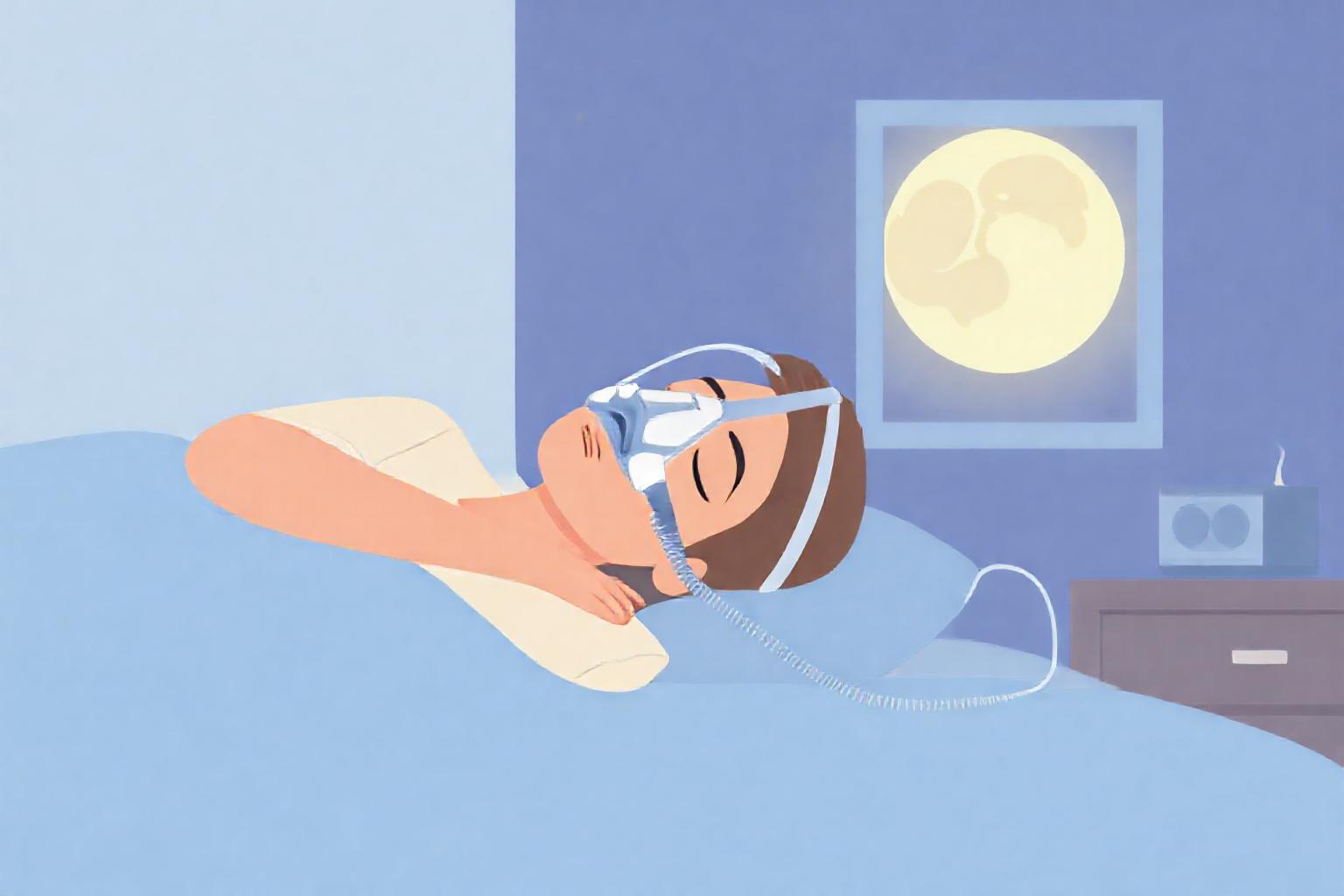
cpap
Tips for getting comfortable with CPAP therapy: mask fit, humidification, pressure ramp, and common problems — evidence-based advice for sleep apnoea patients.
Read the guide →
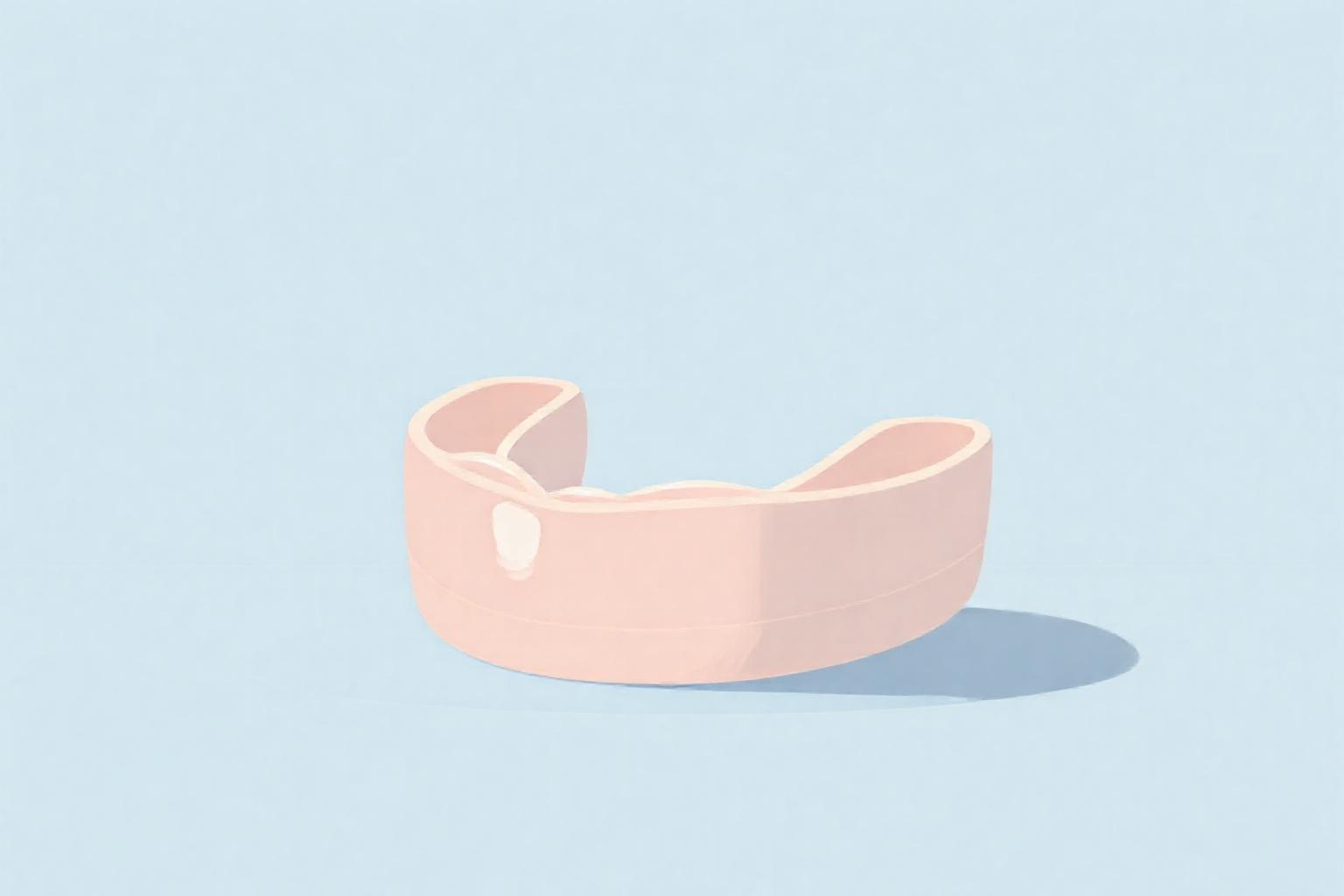
snoring
Do mandibular advancement devices stop snoring? How oral appliances work, what the evidence shows, NHS/NICE guidance, and what to look for before buying.
Read the guide →
weight
Overweight, neck shape and snoring are linked. Can weight loss reduce snoring and sleep apnoea? What the NHS and sleep research say, and how weight changes help.
Read the guide →
sleep apnoea
How sleep apnoea is diagnosed in the UK: GP referral, home sleep tests vs in-lab sleep studies, what the results mean, and the NHS pathway.
Read the guide →
sleep duration
How many hours of sleep do adults need? The NHS, NIH/NHLBI and CDC evidence on sleep duration by age, why 7-9 hours matters, and what happens with too little.
Read the guide →
melatonin
Melatonin for sleep: what it is, typical dosage, side effects, and what the NHS and current evidence say about melatonin safety for adults.
Read the guide →
mouth taping
Mouth taping for snoring and sleep: what it is, whether it works, the risks, and what sleep medicine says before you try it.
Read the guide →
screens
Do phones, tablets and blue light before bed affect sleep? What the science shows about screens, light and melatonin, and simple ways to wind down.
Read the guide →
snoring
Does snoring differ between women and men? Common causes of snoring in women (including menopause and pregnancy), what the evidence shows, and what to do about it.
Read the guide →
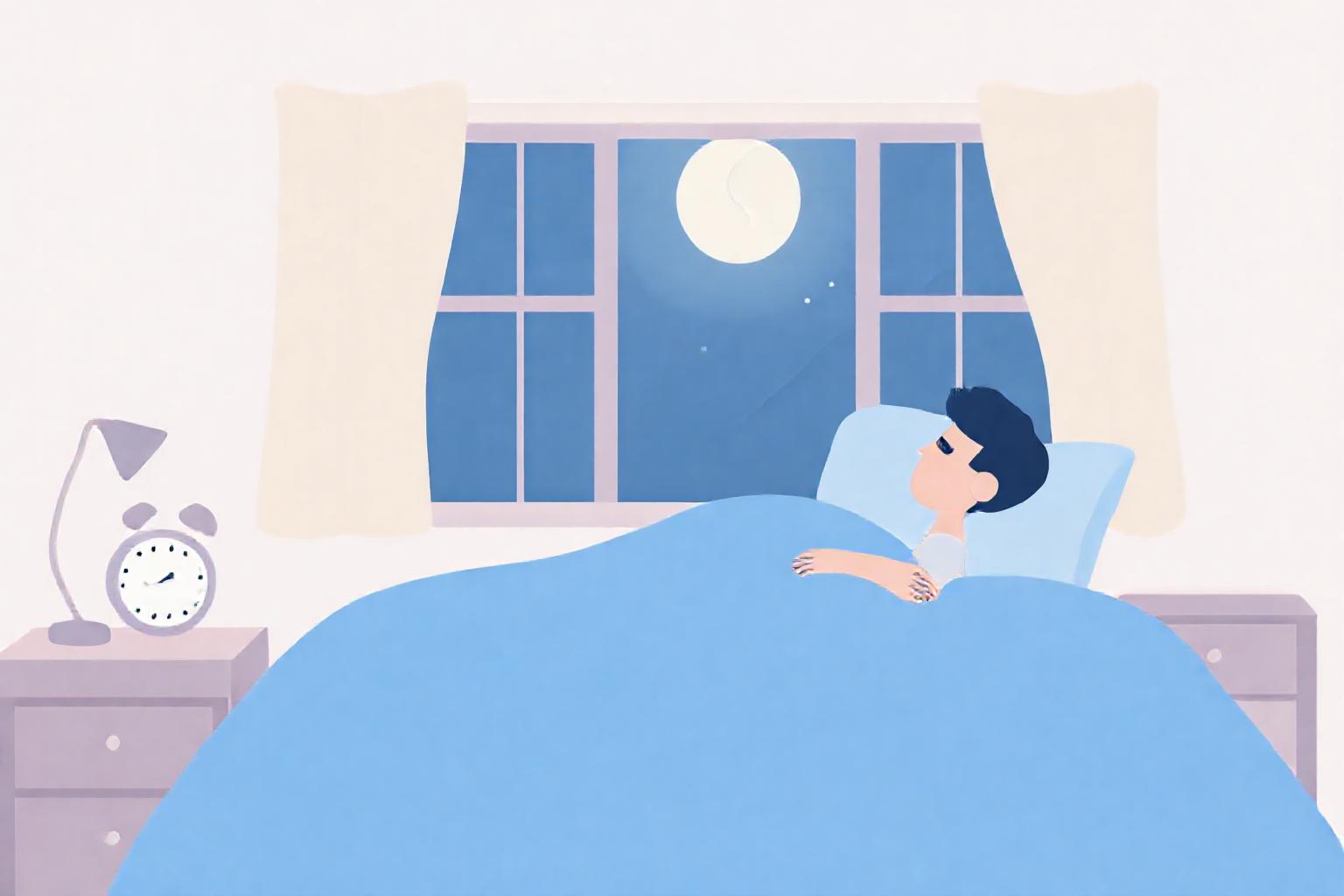
waking up
Why you wake up in the middle of the night (sleep maintenance insomnia), what causes it, and evidence-based ways to fall back asleep — NHS and NIH guidance.
Read the guide →
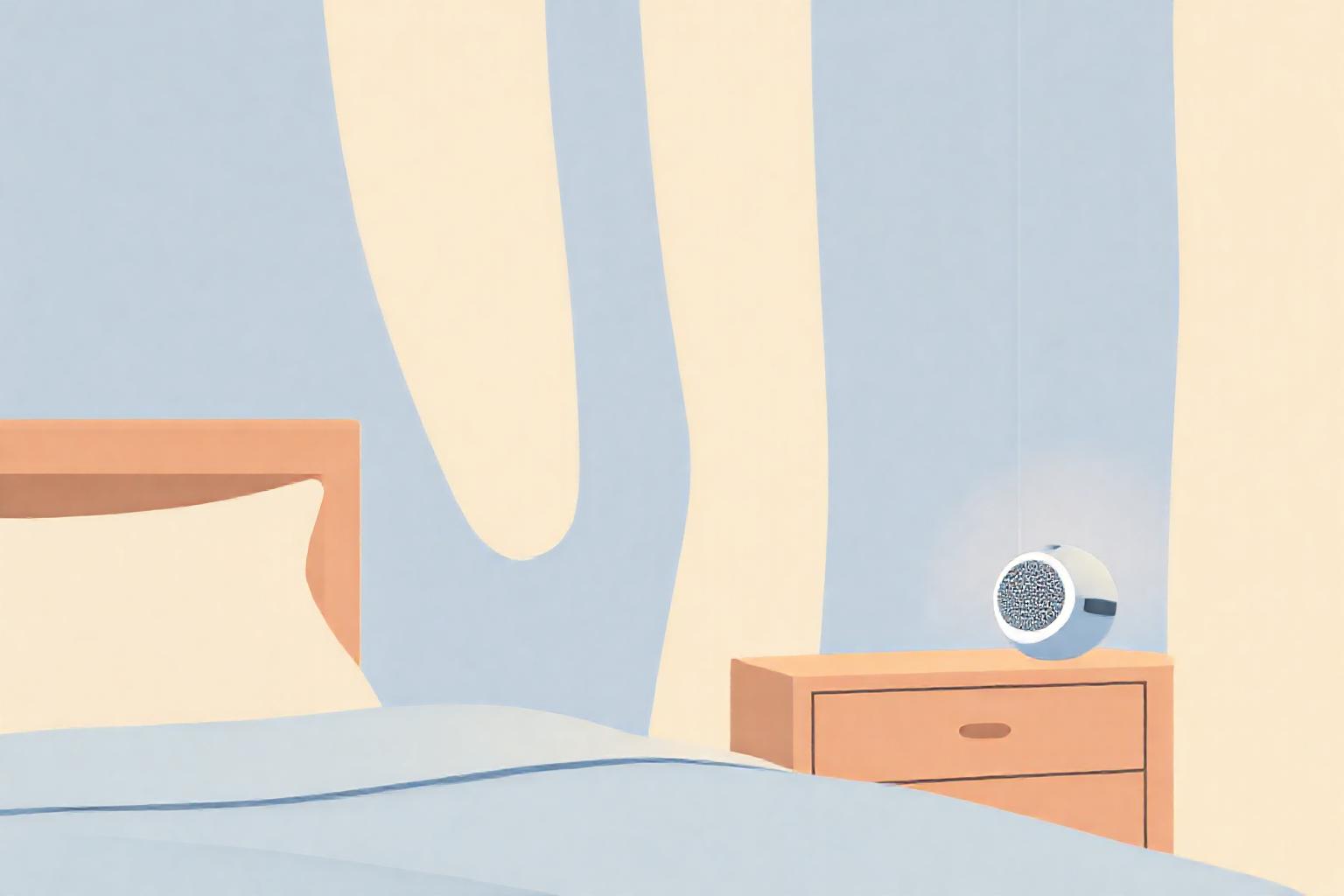
white noise
Can white noise improve sleep for babies and shift workers? What the evidence says, safe volume levels, and how to use a white-noise machine well.
Read the guide →
sleep position
Does sleeping position affect snoring? Why side sleeping helps, what back sleeping does, and how the NHS suggests you stay on your side at night.
Read the guide →
caffeine
How caffeine affects sleep, how long its effects last, and what the NHS and NIH say about the best time to have your last coffee or tea.
Read the guide →
anti snoring mouthpiece
A guide to anti-snoring mouthguards (mandibular advancement devices): how they work, who they suit, what to look for, and the NHS/NICE evidence behind them.
Read the guide →
insomnia
What insomnia is, its common causes, and what the NHS says about self-help, pharmacists, CBT and sleeping pills — reviewed 2024.
Read the guide →
melatonin
What the evidence really says about melatonin for sleep — how it works, who it's for, and the important UK fact that it's prescription-only here.
Read the guide →
sleep apnoea
The early warning signs of sleep apnoea — breathing pauses, gasping, loud snoring, daytime tiredness — plus when to see a GP and the DVLA driving rules (NHS).
Read the guide →
sleep hygiene
An evidence-based sleep hygiene checklist for adults: schedule, light, screens, caffeine and alcohol — backed by the US National Institutes of Health.
Read the guide →
snoring
Evidence-based ways to stop snoring: sleep position, weight, alcohol, allergies and anti-snoring aids that actually work. Written with a doctor-reviewed approach.
Read the guide →
white noise
A balanced look at white noise for sleep — the research is genuinely mixed. What the systematic reviews say, who it may help, and how to use it safely.
Read the guide →