
Sleep Apnoea: Early Warning Signs and When to See a GP
Wed Aug 19 2026 · sleep-apnoea, early-signs, nhs-guide
Sleep Apnoea: Early Warning Signs and When to See a GP
Sleep apnoea is when your breathing stops and starts while you sleep. The most common type is obstructive sleep apnoea (OSA). It can be hard to spot — especially because the main symptoms happen while you’re asleep — but it matters: it needs to be treated because it can lead to more serious problems.
This content reflects NHS guidance (sleep apnoea page reviewed May 2026) and is general information, not medical advice.
The early warning signs
Symptoms of sleep apnoea mainly happen while you sleep:
- Your breathing stops and starts
- Making gasping, snorting or choking noises
- Waking up a lot
- Loud snoring
During the day, you may also:
- Feel very tired
- Find it hard to concentrate
- Have mood swings
- Have a headache when you wake up
Because it can be hard to tell if you have sleep apnoea yourself, the NHS suggests it may help to ask someone to stay with you while you sleep so they can check for the symptoms. Bringing that person to your GP appointment can also help.
When to see a GP
The NHS says to see a GP if you have any of the main symptoms, such as:
- Your breathing stops and starts while you sleep
- You make gasping, snorting or choking noises while you sleep
- You always feel very tired during the day
Sleep apnoea can be serious if it’s not diagnosed and treated.
How you get tested
If a GP thinks you may have sleep apnoea, they can refer you to a specialist sleep clinic for tests. You’ll be given devices that check things like your breathing and heartbeat while you sleep, worn overnight.
You can usually do this at home, but sometimes you may need to stay in the clinic overnight. The tests can show if you have sleep apnoea and how severe it is — based on how often your breathing stops while you sleep (the AHI score).
What the treatment involves
Sleep apnoea can sometimes be treated with lifestyle changes — like losing weight, giving up smoking and reducing alcohol.
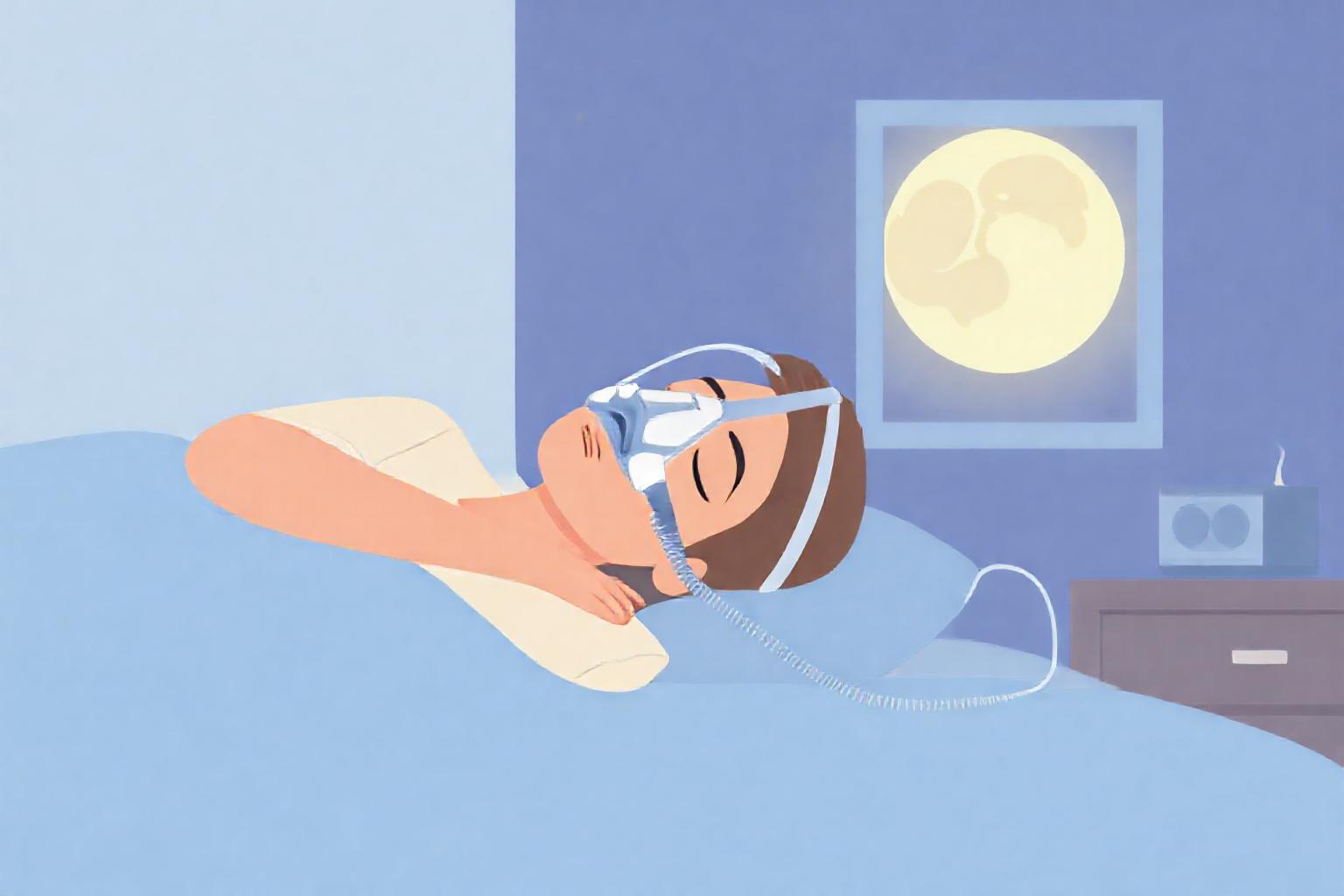
Many people need to use a CPAP machine: a device that gently pumps air into a mask worn over your nose (or nose and mouth) while you sleep. The NHS highlights it can:
- Improve your breathing by stopping your airways getting too narrow
- Improve your sleep quality and help you feel less tired
- Reduce the risk of linked problems such as high blood pressure
You’ll be given a CPAP machine for free on the NHS if you need it. It can feel strange at first, but it works best if used every night.
Other treatments sometimes used include a mouthpiece that holds the airways open (mandibular advancement device), surgery (e.g. removing large tonsils), mouth and facial muscle exercises, or hypoglossal nerve stimulation.
What you can do yourself
If you’ve been diagnosed, these may be all you need if your sleep apnoea is mild:
Do:
- Try to lose weight if you’re overweight
- Exercise regularly — being active can improve symptoms
- Have good sleep habits (dark, quiet room; consistent bed/wake times)
- Sleep on your side — try taping a tennis ball to the back of your sleepwear, or use a special pillow or bed wedge
Don’t:
- Don’t smoke
- Don’t drink too much alcohol, especially shortly before sleep
- Don’t take sleeping pills unless recommended by a doctor — they can make sleep apnoea worse
Why it matters (the risks)
Without treatment, sleep apnoea can lead to:
- High blood pressure
- A higher chance of stroke
- Type 2 diabetes
- Heart disease
- Depression or mood changes
- A higher chance of a serious accident caused by tiredness (e.g. a car accident)
- Difficulty concentrating at work or school
It can also be difficult for your partner and strain your relationship.
⚠️ Important: driving and sleep apnoea
You may need to tell the DVLA about your sleep apnoea.
If sleep apnoea with excessive sleepiness has been confirmed, you must not drive until symptoms like feeling very tired are under control. Check the rules for driving with sleep apnoea on GOV.UK.
Summary
The classic early warning signs are loud snoring, breathing pauses, gasping / choking at night, waking a lot, and feeling very tired by day (with possible headaches, mood swings and trouble concentrating). See a GP if any of these apply — the test is simple, treatment (including free CPAP) exists, and untreated sleep apnoea carries real health risks.
Sources
- NHS — Sleep apnoea (page last reviewed 11 May 2026): https://www.nhs.uk/conditions/sleep-apnoea/
- GOV.UK — Obstructive sleep apnoea and driving: https://www.gov.uk/obstructive-sleep-apnoea-and-driving
This article is for general information and is not a substitute for professional medical advice.