
Why Do Women Snore? Causes, Differences from Men, and Solutions
Fri Aug 21 2026 · snoring, women, menopause, health
Why Do Women Snore? Causes, Differences from Men, and Solutions
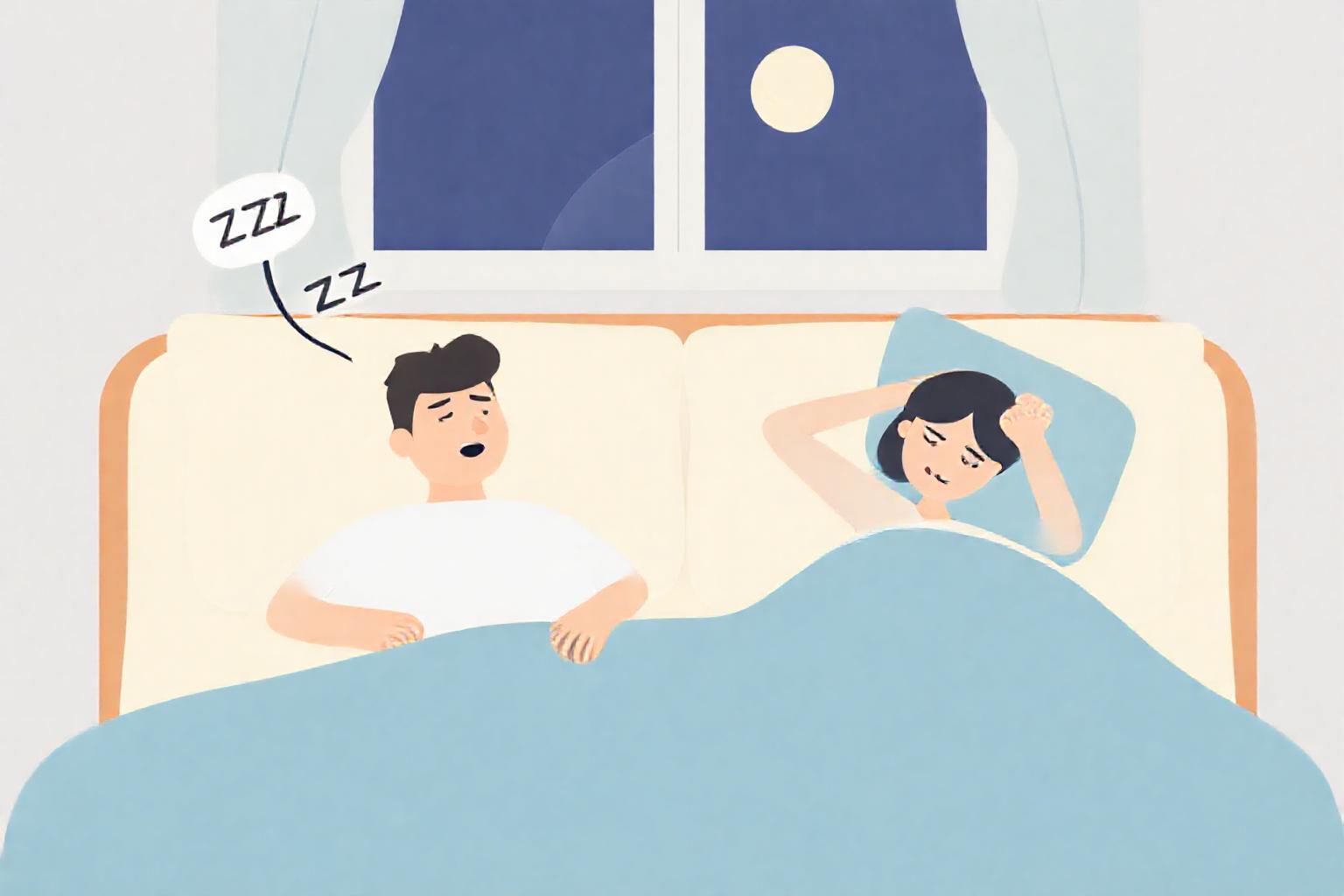
Snoring is often thought of as a “male” problem, but women snore too — often for slightly different reasons and at different stages of life. Understanding those differences matters, because it changes what’s worth checking and where help can come from.
This guide looks at what the evidence says about snoring in women. It’s general information, not medical advice.
Is snoring really more common in men?
Men do snore more overall, largely because of differences in airway anatomy and where they carry weight (more around the neck). But the gap narrows with age, and some women snore and have sleep apnoea without ever being asked about it — snoring is more often normalised or missed in women.
Source: sleep-medicine literature on sex differences in snoring and sleep apnoea.
Common causes of snoring in women
1. Weight around the neck
As in men, carrying extra weight — especially around the neck — can narrow the airway and increase snoring and the risk of obstructive sleep apnoea.
2. Hormones and menopause
After menopause, lower oestrogen and progesterone are linked to a rise in snoring and sleep-disordered breathing. Many women first notice snoring or worse nights around this time.
Source: peer-reviewed research on menopause and sleep-disordered breathing.
3. Pregnancy
Pregnancy raises the risk of snoring and sleep apnoea, especially in the later stages — due to weight gain, fluid retention and hormonal changes. Snoring that starts in pregnancy is worth mentioning to a midwife or GP.
4. The same general causes as men
Alcohol, sleeping on your back, nasal congestion, allergies, and an underactive thyroid can all contribute to snoring in anyone.
Signs it might be more than “just snoring”
Snoring in women is sometimes under-diagnosed as sleep apnoea because the classic image (loud, snorting, obese male) doesn’t match. Watch for:
- Loud snoring with pauses then gasping/snorting
- Waking unrefreshed or with a dry mouth/headache
- Daytime sleepiness, irritability, or brain fog
- Waking to urinate at night
These are worth raising with a GP — obstructive sleep apnoea is treatable and has real health implications if left alone.
Source: NHS — obstructive sleep apnoea symptoms.
What can help
- Sleep position: side sleeping reduces snoring for many (see our guide).
- Weight and alcohol: modest weight loss and cutting alcohol before bed can make a difference.
- Manage allergies/congestion if they’re a factor.
- See a GP or dentist for an assessment — a dentist can fit a custom mandibular advancement device where appropriate (see our mouthguard guide).
The one-line summary
Women snore for many of the same reasons as men, but menopause, pregnancy and changes with age are important triggers. If your snoring comes with gasping, unrefreshing sleep or daytime sleepiness, see a GP — sleep apnoea in women is real, treatable, and sometimes missed.
Sources
- NHS — Obstructive sleep apnoea (symptoms and treatment): https://www.nhs.uk/conditions/sleep-apnoea/
- NHS — Snoring: https://www.nhs.uk/conditions/snoring/
- Peer-reviewed sleep-medicine literature on sex differences and menopause in sleep-disordered breathing (see PubMed, category “sleep disordered breathing women menopause”).
This article is for general information and is not medical advice. If you are concerned about your sleep, see a GP.